Liverpool College Music Aptitude Test – What Parents Need to Know
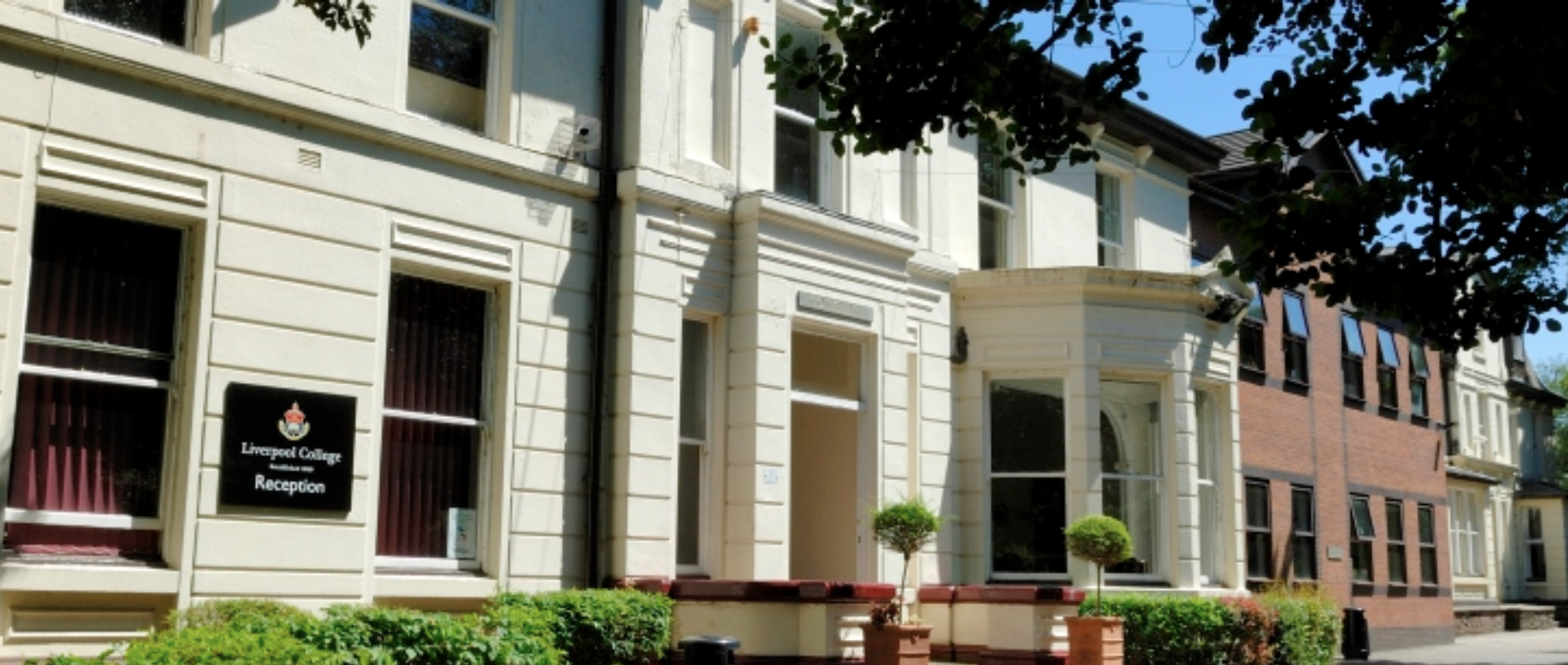
If you’re considering applying for a music aptitude place at Liverpool College, this guide will walk you through what to expect — so you can support your child with confidence.
Music aptitude assessments can feel mysterious at first. Once you understand how they work, though, they become far less daunting.
Let’s break it down.
📅 When Does the Music Aptitude Test Take Place?
Music aptitude tests at Liverpool College are usually held in October.
If you would like your child to be considered for one of the music places, you must register them for the Music Aptitude Test.
Registration opens: Beginning of September 2026
Closing date to apply: End of September 2026
Applications must be submitted by the deadline — late entries are not accepted — so it’s worth putting a reminder in your diary.
🎼 How Many Music Places Are Available?
Liverpool College allocates:
10% of Year 7 places to pupils who demonstrate a particular aptitude for Music.
These places are awarded purely based on performance in the Music Aptitude Tests.
Children are ranked in score order, and places are allocated accordingly.
🎧 What Does the Music Aptitude Test Involve?
There are two stages of assessment.
🎵 First Music Aptitude Test at Liverpool College
All registered candidates sit the first test.
This test is designed to assess musical potential, not prior training.
It typically focuses on listening skills such as:
Pitch discrimination (higher/lower sounds)
Melodic memory (recognising or recalling short tunes)
Rhythm patterns
Possibly identifying musical layers or changes
The exact format is determined by the school, but like most music aptitude assessments, it centres around careful listening and responding.
Children who achieve the required score in this first test are invited to take part in a second assessment at a later date.
Download our Stage 1 Music Aptitude Test Practice Packs, featuring audio-based questions, a PDF answer sheet, and expert tips to help your child prepare with confidence.
🎹 Second Music Aptitude Test at Liverpool College
Only candidates who achieve the required threshold score in the first round progress to the second stage.
The second test provides a further opportunity for candidates to demonstrate their musical aptitude. They may be asked to:
sing back melodies;
clap back rhythms;
recognise different musical instruments; and
sing specific notes within chords.
Pupils are selected based on their performance across these two music aptitude assessments.
Prepare for the Liverpool College Stage 2 MAT with our Aural Awareness Test resources, including video teaching, audio questions and expert ear training strategies to build listening skills!
Is Prior Musical Experience Required?
This is an important point.
Liverpool College makes it clear that:
No previous music knowledge is required
No music theory knowledge is expected
No preparation is necessary
No practice papers are available
The assessment looks for aptitude to learn, not ability or past achievement.
To ensure fairness:
Teacher references are not considered
Music certificates should not be submitted
Whether your child has had years of lessons or none at all, they are assessed on equal terms.
🎼 Aptitude vs Ability – Why This Matters
It’s very easy to confuse these two ideas.
Ability measures what a child has already achieved.
Aptitude measures their natural capacity to perceive and respond to musical sound.
A child with no formal lessons can still score very highly if they have strong listening discrimination and musical memory.
And equally, instrumental grades do not guarantee success in an aptitude test.
Understanding this distinction can really help manage expectations — and reduce unnecessary pressure.
📝 How Are Music Places Awarded?
Music places are allocated strictly in test score order.
The highest-scoring pupils across the two assessments are offered places under the 10% music criterion.
If a child does not gain a music aptitude place, they are still considered under the school’s standard admissions criteria.
🌟 How Should My Child Prepare?
The school states that no preparation is necessary and does not provide practice materials.
However, while you can’t rehearse specific questions, you can strengthen the underlying listening skills that aptitude tests rely on.
Helpful preparation might include:
Practising pitch comparison (which note is higher?)
Echoing short rhythms
Repeating simple melodies
Training auditory memory
Listening carefully for changes in musical texture
This isn’t about drilling theory or learning terminology.
It’s about developing:
Focused listening
Quick recall
Musical awareness
Calm concentration under test conditions
Find the Right Path to MAT Success
From beginners to more experienced children, our guide helps parents select structured listening exercises, online courses, and 1-to-1 coaching for successful 11+ music aptitude test preparation.
💛 A Final Note for Parents
Music aptitude test may feel unfamiliar, but they simply measure how naturally a child responds to sound. If your child enjoys music, notices subtle pitch changes, or taps along to rhythm, these are all positive signs. And remember: even if a music place isn’t secured, your child’s musical journey doesn’t begin or end with one assessment.
Download our Stage 1 Music Aptitude Test Practice Packs, featuring audio-based questions, a PDF answer sheet, and expert tips to help your child prepare with confidence.

Click image to see how the App works!
Want to Help Your Child Prepare?
Our Music Aptitude Maestros App, is a perfect companion for independent practice!

♫ Join our 8-Module Digital Course
If you’d like to book our Music Aptitude Mastery Course, which gives your child expert support and structured preparation, click below to learn more!