Cardinal Vaughan Memorial School Music Aptitude Test: What to Expect and How to Prepare
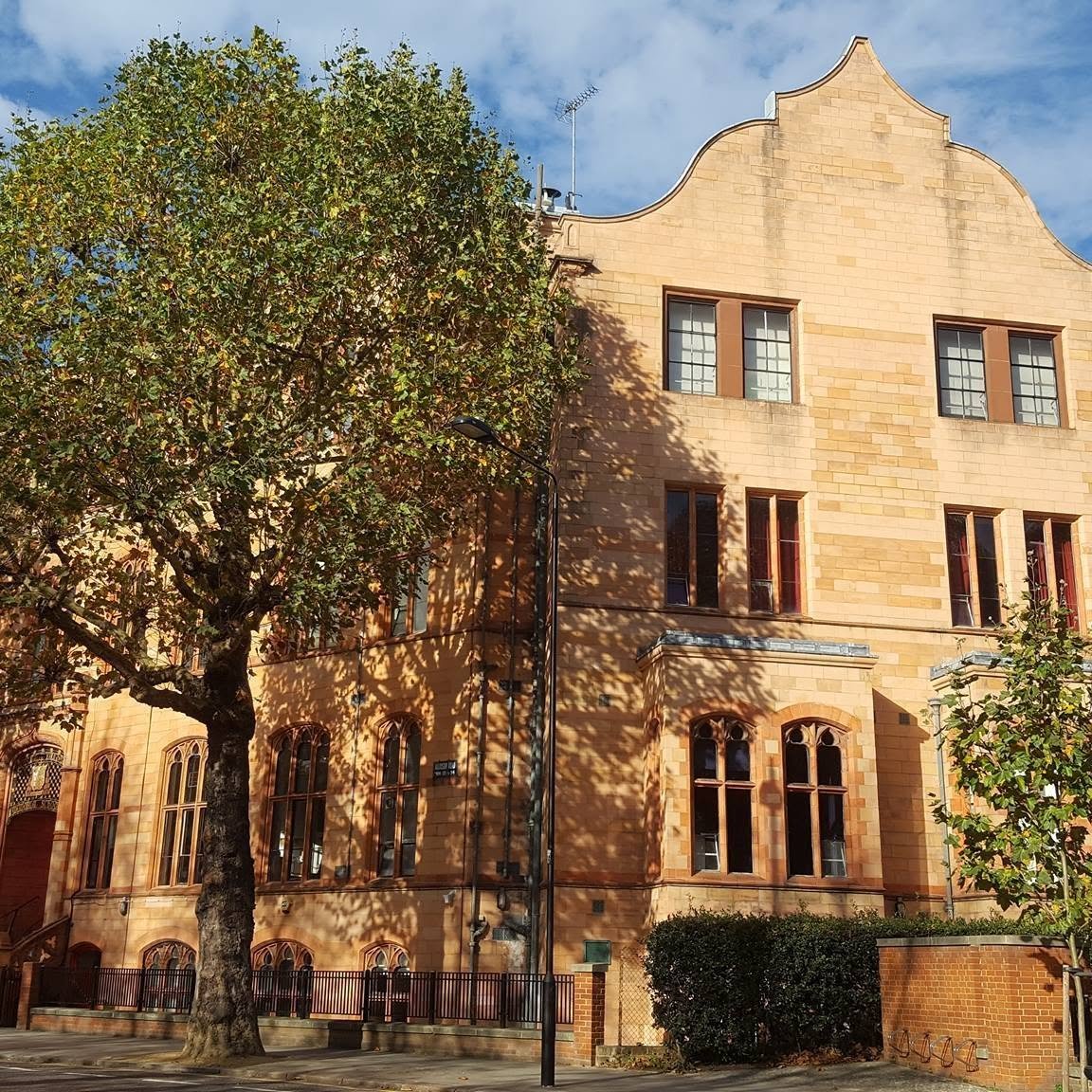
If your child is applying for a Music Aptitude Place at Cardinal Vaughan Memorial School, you may be wondering what happens in the Music Aptitude Test (MAT) and how best to prepare.
Many parents search online for answers to questions such as:
What questions are asked in the Cardinal Vaughan Music Aptitude Test?
How difficult is the Cardinal Vaughan MAT?
Does my child need to play an instrument?
How can my child prepare for the Cardinal Vaughan music test?
What musical skills are assessed?
While the school does not publish sample questions, feedback from previous candidates gives us a useful insight into the types of musical listening activities children may encounter.
The Cardinal Vaughan MAT is designed to identify natural musical aptitude rather than years of instrumental training. Children do not need to play an instrument to perform well, making it an excellent opportunity for musically talented children from all backgrounds.
The assessment focuses on musical listening skills, rhythm, pitch recognition, melody memory, texture recognition, and creative musical thinking. Because only a small number of Music Aptitude Places are available each year, many families choose to familiarise their children with the format before test day.
Does My Child Need to Play an Instrument for the Cardinal Vaughan MAT?
No.
The Cardinal Vaughan Music Aptitude Test is designed to assess natural musical potential rather than instrumental achievement. Children are not required to play an instrument, read music, or have taken formal music examinations.
Instead, the test focuses on listening skills, musical memory, rhythm, pitch awareness, and creativity.
Cardinal Vaughan Music Aptitude Test: Key Information
Test duration: Approximately 10 minutes
Format: Individual assessment
Instruments required: None
Skills assessed:
Rhythm and pulse
Pitch recognition
Melody memory
Musical listening skills
Texture recognition
Musical creativity
Places available: Only a small number of Music Aptitude Places are available each year, making the process highly competitive.
What Is Included in the Cardinal Vaughan MAT?
Based on feedback from previous candidates, children may be asked to complete the following activities.
1. Clapping the Pulse
A short piano piece is played and pupils must identify and clap the steady beat.
Tests: Sense of pulse, timing, and musical awareness.
2. Rhythm Echo
The examiner claps a rhythm which the child repeats exactly.
Tests: Rhythm memory, concentration, and listening accuracy.
3. Melody Echo
A short melody is played on the piano and the child sings it back.
Tests: Pitch memory, aural skills, and melodic recall.
4. Spot the Changed Note
A five-note melody is played twice, with one note changed in the second version.
Tests: Pitch discrimination and musical memory.
5. Texture Recognition (Often the Hardest Section)
Children hear chords and identify how many notes are played at the same time.
For example:
2 notes
3 notes
4 notes
Tests: Musical listening skills and aural awareness.
Many families find this is the most challenging part of the Music Aptitude Test because it is rarely practised in school music lessons.
6. Continue the Melody
The examiner plays the beginning of a tune and the child creates a suitable musical ending.
Tests: Musical creativity and pattern recognition.
7. Continue the Rhythm
The child hears a rhythm pattern and creates a similar continuation.
Tests: Creativity, rhythm skills, and musical understanding.
How to Prepare for the Cardinal Vaughan Music Aptitude Test
The best preparation focuses on developing strong aural skills rather than learning music theory.
Regular practice should include:
Clapping and identifying pulse
Rhythm echo exercises
Singing back melodies
Pitch recognition activities
Texture recognition exercises
Musical memory games
Creative rhythm and melody tasks
Looking for Cardinal Vaughan MAT Practice?
At Ashbea Music, we help children prepare for Music Aptitude Tests through our Music Aptitude Maestros app, specialist online courses, and targeted practice materials.
Designed specifically for children applying to schools such as Cardinal Vaughan Memorial School, Twyford and Ealing Fields, The Latymer School, Dame Alice Owen's School, West London Free School, Wilson’s and other schools offering Music Aptitude Places.
Disclaimer: This guide is based on feedback from previous candidates. The format and content of the Cardinal Vaughan Music Aptitude Test may change from year to year.
Click here to explore our MAT resources and prepare for the Cardinal Vaughan Music Aptitude Test (MAT).
Frequently Asked Questions
Does Singing Ability Matter in the Cardinal Vaughan MAT?
Children may be asked to sing back short melodies, but they are not being assessed on vocal quality. The examiner is listening for pitch accuracy and musical memory rather than whether a child has a polished singing voice.
Can My Child Pass the Cardinal Vaughan MAT Without Music Lessons?
Yes. The assessment is designed to identify musical aptitude rather than musical training. Children who have strong listening skills, good rhythm, and natural musical awareness can perform well even without formal instrumental lessons.
What Is the Hardest Part of the Cardinal Vaughan Music Aptitude Test?
Many families find texture recognition the most difficult section because it involves identifying how many notes are sounding simultaneously in a chord.
Final Thoughts
The Cardinal Vaughan Music Aptitude Test assesses a child's natural musical potential, not their instrumental level or singing voice.
Successful candidates often demonstrate strong listening skills, accurate pitch and rhythm recognition, good musical memory, and the confidence to respond creatively to musical ideas.
With only a limited number of Music Aptitude Places available each year, early preparation can help children feel calm, confident, and ready to perform at their best.
Preparing for the Wilson’s, Tiffin School, or West London Free School Music Aptitude Test (11+ MAT)?
🎵 Follow Atticus and Casper’s inspiring music aptitude preparation journey, from building pitch, rhythm, and listening skills to achieving outstanding results.
They successfully passed all their UK 11+ Music Aptitude Tests with top marks—and secured a place at their first-choice school, Tiffin School! 🚀
Help your child prepare confidently with our 11+ MAT Practice Pack, containing audio questions, a PDF answer sheet, and expert tips from experienced educators.

Click image to see how the App works!
Want to Help Your Child Prepare?
Our Music Aptitude Maestros App, is a perfect companion for independent practice!

♫ Join our 8-Module Digital Course
If you’d like to book our Music Aptitude Mastery Course, which gives your child expert support and structured preparation, click below to learn more!