Where Does Your Child Engage Most With Music? You Might Be Surprised
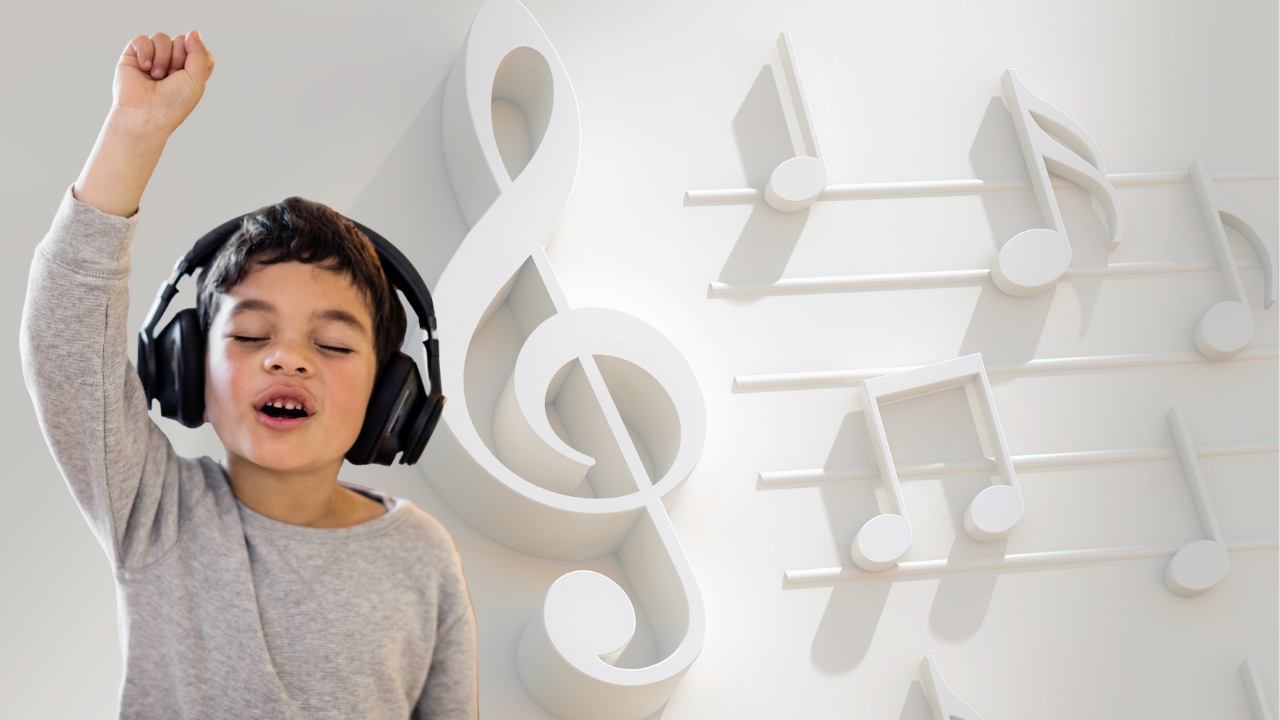
Where does your child show musicality?
Take a moment to think about it.
Is it:
at home while listening to cartoon themes, film soundtracks, or video game music?
during concerts, school performances, or live music events?
when they’re playing their instrument, even if practice feels inconsistent?
while singing, humming, or making up tunes?
when they suddenly stop and listen when music comes on?
while tapping, swaying, dancing, or marching to sound?
Many parents assume musical ability only shows itself during formal lessons. In reality, musical aptitude in children often appears in everyday moments.
Musical aptitude doesn’t look the same in every child
Some children are:
strong listeners
natural pattern spotters
deeply emotional responders
instinctive imitators
playful sound explorers
This is why children can seem “musical” in very different ways.
Before applying for UK music scholarships, preparing for the 11+ Music Aptitude Test, or sitting aural music exams, it’s essential to understand how your child processes music, not just how they perform under pressure.
Musical aptitude is not about being advanced.
It’s about how the brain responds to sound.
Signs your child may be more musical than you think
Here are some common and often overlooked signs of musical aptitude in children:
🎶 They hum or sing music back immediately
This shows a strong connection with pitch awareness and sound memory.
🎼 They reinvent familiar pieces or merge tunes together
This is a sign of musical intelligence and creative processing, not confusion.
👀 They want to be around other musicians and copy what they do
Imitation is one of the strongest ways children learn music naturally.
🎻 They ask to try different instruments
This shows curiosity about tone colour and musical texture.
🥁 They drum on pots, pans, tables, or anything nearby
This reflects natural rhythmic awareness, even without formal training.
💛 They respond emotionally to what they hear
Children who react emotionally often have deep musical sensitivity and understanding.
These behaviours are not random.
They are clear indicators of musical potential.
Why recognising musical aptitude early matters
Children don’t all learn music in the same way.
Some need:
movement and physical engagement
visual learning and colour
imagination and storytelling
time to listen before responding
Recognising this before music exams or scholarship applications allows parents to support their child confidently, without unnecessary pressure or overloading them with lessons.
Understanding musical aptitude early leads to:
stronger listening skills
improved confidence in unfamiliar music
better outcomes in aural tests, auditions, and music aptitude exams
Supporting musical aptitude beyond lessons
At Ashbea Music, we work with children preparing for:
11+ Music Aptitude Tests
Music scholarships
Aural exams and auditions
The Music Aptitude Mastery Course focuses on:
developing deep listening skills
using movement, visual learning, and imagination
strengthening musical memory and pattern recognition
helping children understand how music works
Rather than drilling content, we nurture musical thinking - skills that transfer across all instruments and musical experiences.
Conclusion: Notice first, then decide
Musical aptitude doesn’t always show up through perfect practice.
It often appears in everyday moments like humming, tapping, emotional responses, curiosity, and careful listening.
By noticing how your child engages with music, you gain clarity: clarity about the right next steps, the right support, and whether exams or scholarships are the right fit.
Before committing to tests or applications, understanding your child’s unique musical processing makes all the difference.
If you’ve ever wondered whether your child is musical enough, you may already be seeing the answer !
Wishing you all the best on your musical discovery 🎵
Bea Kampta ❤️

Click image to see how the App works!
Want to Help Your Child Prepare?
Our Music Aptitude Maestros App, is a perfect companion for independent practice!

♫ Join our 8-Module Digital Course
If you’d like to book our Music Aptitude Mastery Course, which gives your child expert support and structured preparation, click below to learn more!