William Ellis Music Aptitude Test 2026: What Parents Need to Know
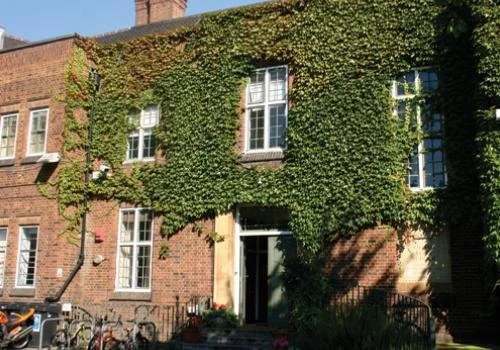
If you're exploring a music place at William Ellis School, you may have come across the William Ellis Music Aptitude Test—but what does it actually involve?
Unlike many school admissions routes, this music aptitude test UK pathway is designed to identify potential, not polished musicianship.
In this guide, we’ll break down:
How the William Ellis School music test works
The key skills your child will be assessed on
What the music aptitude test questions are really testing
Simple ways to approach music aptitude test preparation at home
William Ellis School uses the standard Music Aptitude test.This test format is also used by schools like: Ousedale School , Chancellor’s, Dame Alice
Owen’s, South West Herts Consortium schools, Ada Lovelace, Twyford, Tiffin, Ealing Fields, Herts and Essex, Camden School for Girls or Liverpool College.
This guide will walk you through everything you need to know.
What is the William Ellis Music Aptitude Test?
The William Ellis Music Aptitude Test is straightforward.
There’s:
No instrument requirement
No music theory
No need for graded exams or performance experience
Instead, this school music aptitude test UK focuses entirely on how well your child listens, compares, and processes sound.
👉 So if you’ve been wondering “what is in a music aptitude test?” — the answer is: listening, not musical knowledge.
Test Overview: Quick Facts for Parents
Here’s what to expect from this music aptitude test at William Ellis :
📅 Takes place in October
⏱ Duration: 35 minutes
🎧 Fully aural (listening-based)
✅ Multiple-choice answers
The structure is built around four core areas:
Pitch
Melody
Rhythm
Texture
Together, these form the foundation of most 11+ music aptitude test formats across the UK.
Breaking Down the Four Sections
If you’re thinking about how to prepare for a music aptitude test, understanding these four skills is the best place to start.
Pitch: Hearing Tiny Differences
Pitch questions test whether your child can detect small changes in sound.
They might hear two notes and decide:
Same
Higher
Lower
👉 Some differences are extremely subtle, which is why this area often challenges children the most.
At-home tip:
Try quick daily listening games—this builds strong ear training for children, which is essential for this part of the music aptitude test UK.
Melody: Spotting Changes in Patterns
In melody tasks, your child listens to short note sequences and decides if anything has changed.
👉 These are classic music aptitude test example questions and require both memory and focus.
At-home tip:
Sing simple patterns and change one note—ask your child to spot the difference.
Rhythm: Keeping Track of the Beat
Rhythm questions focus on timing.
Your child hears two patterns and decides:
Same or different
👉 This is a key skill in music aptitude test preparation, especially for children who don’t naturally focus on pulse.
At-home tip:
Clap patterns together or tap along to songs—keep it playful and consistent.
Texture: How Many Sounds at Once?
Texture is often the least familiar concept.
Your child hears a chord and identifies how many notes are played:
2, 3, or 4
👉 Many parents overlook this area when searching for music aptitude test practice, but it can be a deciding factor.
At-home tip:
Use a piano or app and ask: “How many sounds can you hear?”
Do Music Lessons Make a Difference?
A very common question is:
👉 “Does my child need music lessons for an aptitude test?”
For the William Ellis Music Aptitude Test, the answer is no.
The test is designed to level the playing field.
However, children who do some form of structured music aptitude test preparation tend to:
Recognise patterns faster
Feel more comfortable with the format
Avoid second-guessing themselves
How to Approach Music Aptitude Test Preparation
If you’re searching for how to pass William Ellis Music Aptitude Test, here’s the key idea:
👉 Focus on training the ear, not learning theory.
Effective preparation includes:
Short, regular music aptitude test practice
Exposure to pitch, melody, rhythm and texture
Building confidence through familiarity
Even 10 minutes a day can significantly improve performance over time.
Application and MAT preparation?
To apply for a music place at William Ellis School, parents should:
Attend a September or October open event
Complete the school’s music place application form
Submit the standard secondary transfer application
👉 Both applications are required to be considered. Learn more about the William Ellis School admissions process here.
Not sure how to prepare?
If you’re not sure which Music Aptitude Test resources to start with, our easy-to-follow parent guide can point you in the right direction.
Whether your child is just starting out, needs a structured practice plan, would benefit from a live course, or extra support with Texture, it helps you choose the best approach for their learning style, timeline, and confidence level.
Final Thoughts
The William Ellis Music Aptitude Test is an excellent opportunity for children who enjoy listening, patterns, and sound—even if they’ve never had formal lessons.
What really matters is:
Careful listening
Familiarity with the test style
Calm, confident thinking
With the right approach to music aptitude test preparation, your child can walk in feeling ready—not overwhelmed.
Download and study with our 11+ Music Aptitude Test practice packs, including audio exercises, a printable answer sheet, and helpful preparation strategies.

Click image to see how the App works!
Want to Help Your Child Prepare?
Our Music Aptitude Maestros App is a perfect companion for independent practice.

♫ Join our 8-Module Digital Course
If you’d like to book our Music Aptitude Mastery Course, which gives your child expert support and structured preparation, click below to learn more!